On-page SEO
What is On-page SEO?
On-page SEO is the practice of optimizing individual web pages to improve their visibility, relevance, and ranking on search engines like Google. It focuses on everything you can control within your website—from the content itself to the HTML source code—to ensure each page is fully optimized for both search engines and users.
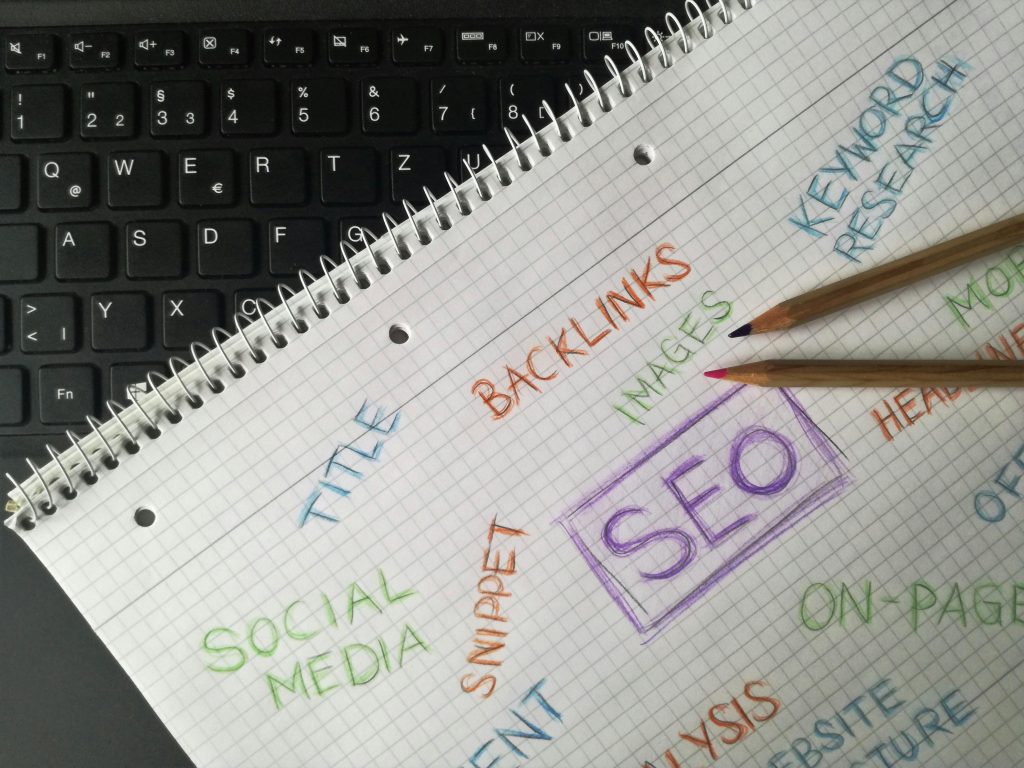
This includes strategically using target keywords in important areas such as page titles, headings (H1, H2, H3), meta descriptions, and throughout the content in a natural and readable way. It also involves optimizing images with proper file names and alt text, improving internal linking structure, and ensuring clean, well-organized URLs that are easy for search engines to crawl.
Beyond keywords, on-page SEO also emphasizes high-quality, engaging, and valuable content that answers user intent. Search engines prioritize pages that provide clear, helpful, and relevant information, so creating content that truly addresses what your audience is searching for is essential.
Technical elements also play a big role, including page speed, mobile responsiveness, and proper formatting, all of which contribute to a better user experience. A well-optimized page not only helps search engines understand your content but also keeps visitors engaged longer, reducing bounce rates and increasing conversions.
In short, on-page SEO is a foundational part of digital marketing that helps your website rank higher, attract more organic traffic, and turn visitors into customers by making your content both search-friendly and user-focused.